

Satake Black Japanese paring knife with non-slip handle – Japanese quality in the kitchen
62 $
Satake Black Japanese paring knife with non-slip handle – Japanese quality in the kitchen

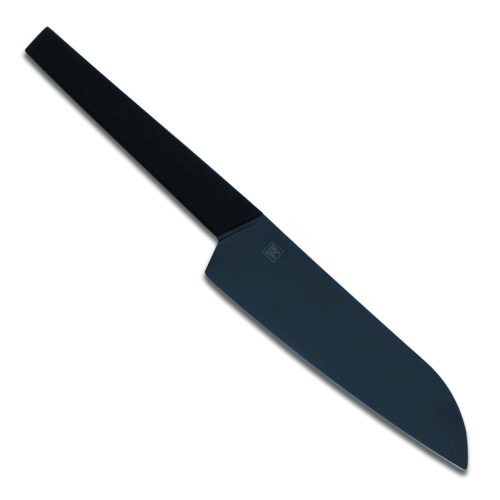

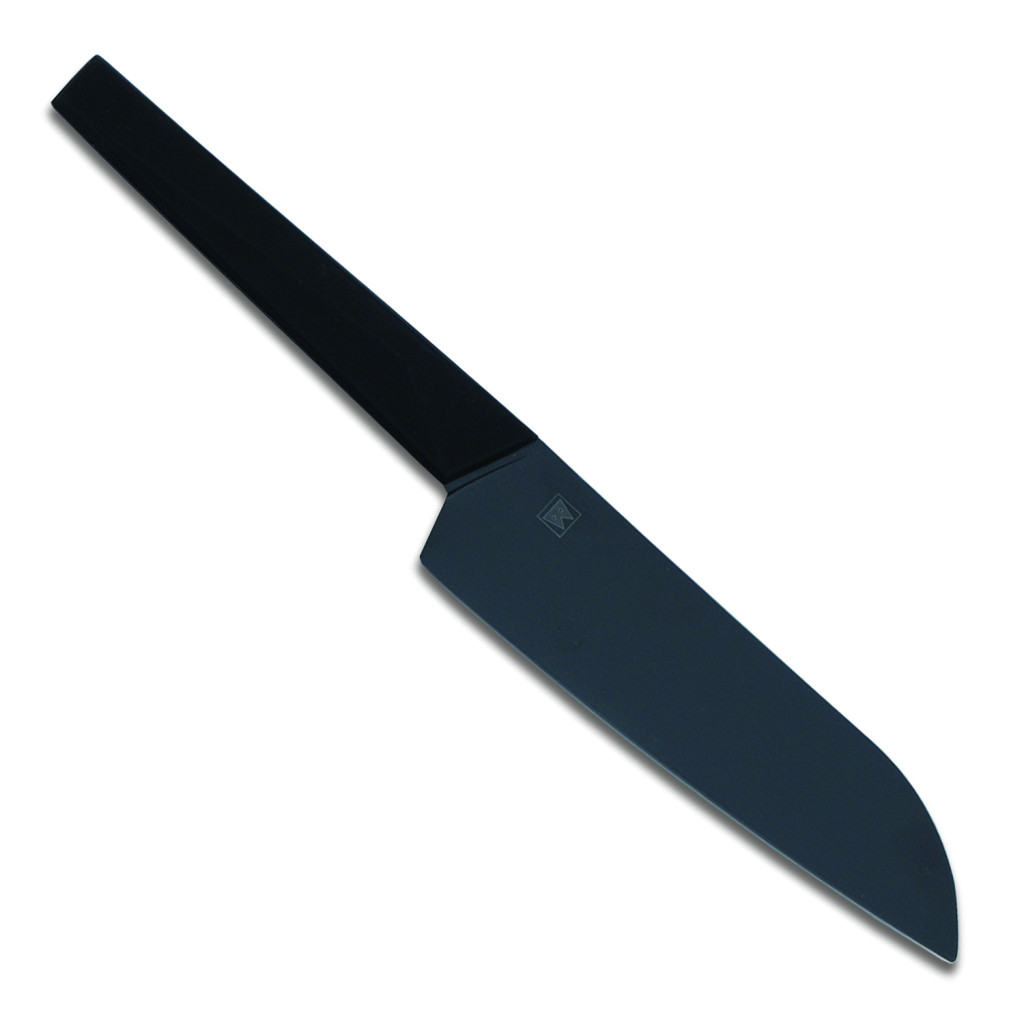
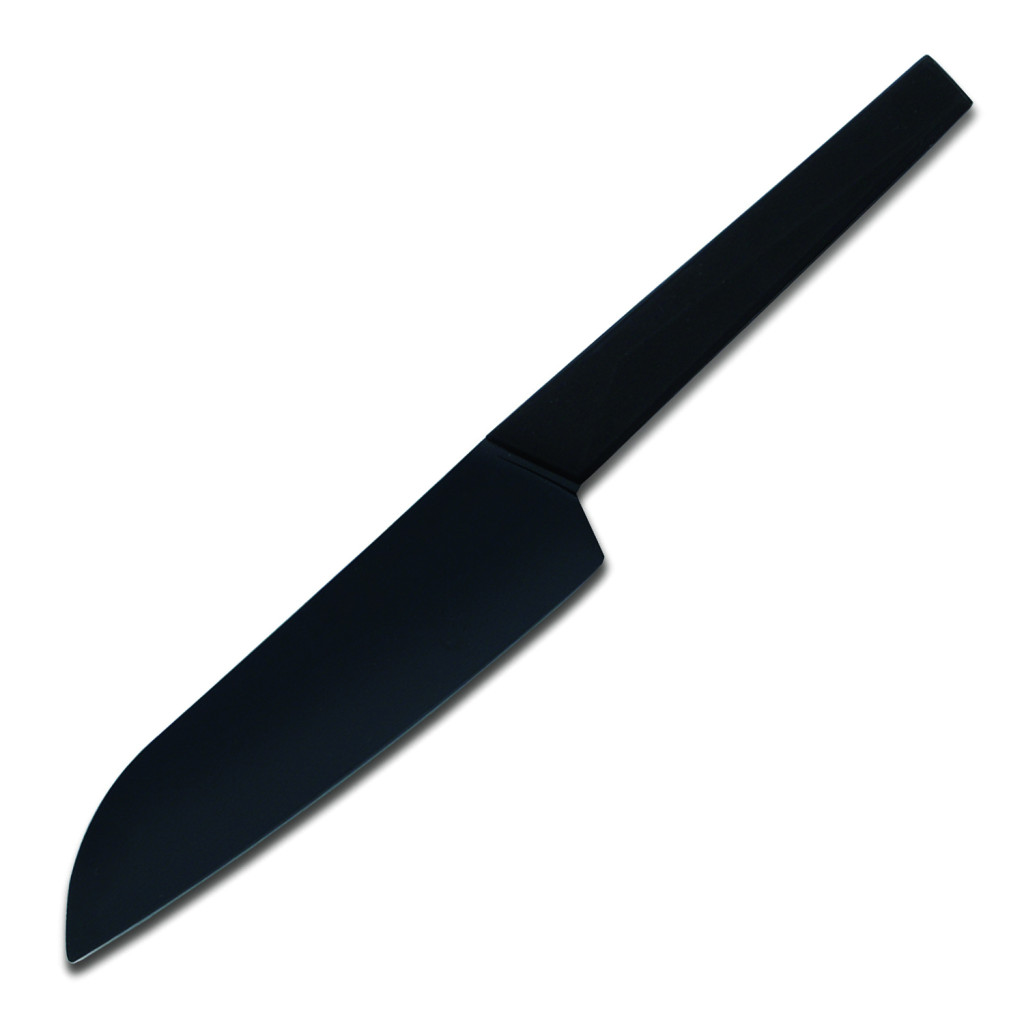
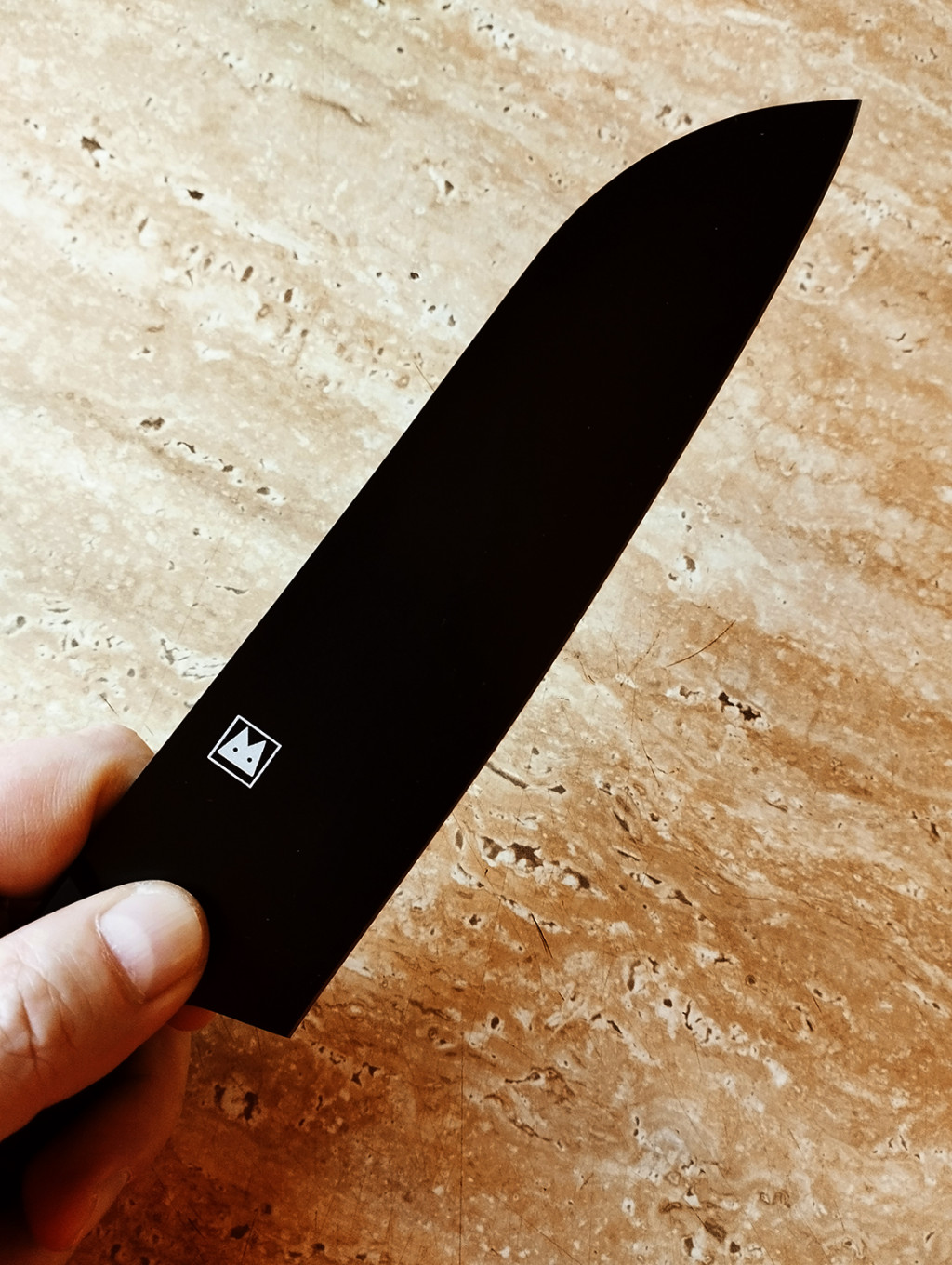
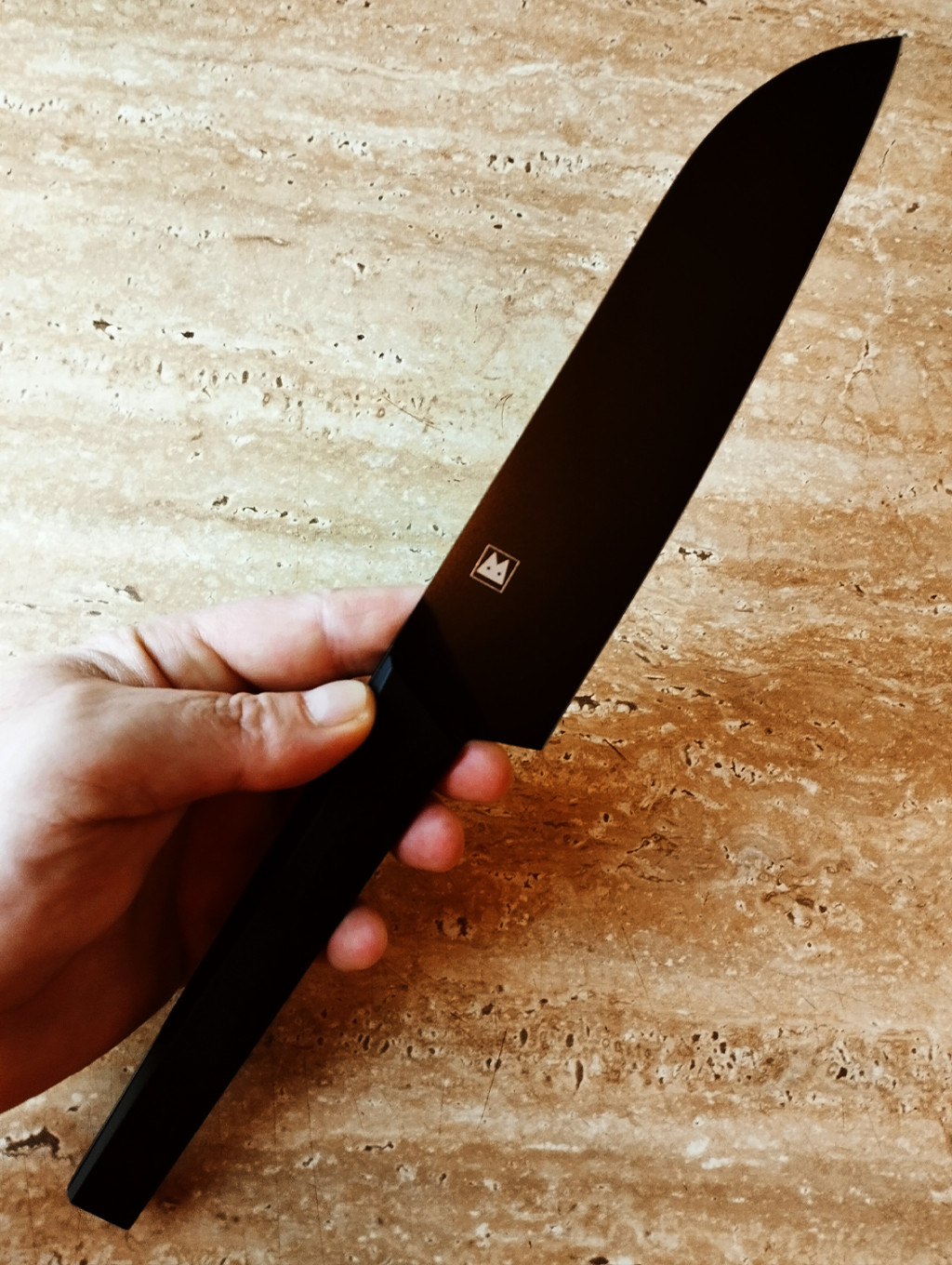
Blade material - U420J2 (Nippon Koshuha) stainless steel with black oxide coating
Handle material - non-slip polypropylene
Hardness - 56 HRC
Total length - 31.8 cm
Blade length - 17 cm
Blade width - 4.3 cm
Blade thickness - approx. 1 mm
Cutting edge - double-edged symmetrical
Weight - approx. 112 g
Manufacturer: Satake Cutlery Mfg. Co., Ltd. Made in Japan.
Item number: 806-824
EAN: 4956617806824

62 $
Points earned after purchase:
3 $
We also recommend the following product as an accessory
Details
SATAKE BLACK JAPANESE SANTOKU KITCHEN KNIFE - THE NON-SLIP ALL-ROUNDER

ADDITIONAL INFORMATION:
How to correctly use Japanese chef knives? (Click the text to read the article.)
Modern Japanese Knife Making: Tradition Meets Innovation (Click the text to read the article.)
Satake Black: The Jet-Black All-Rounder
One of the flagships of the Satake Black series is this 17 cm Santoku knife, conquering modern kitchens as the true all-rounder of Japanese culinary art. The Japanese blade is not just a functional tool but a stylish accessory: the special black oxide coating provides an imposing appearance while ensuring outstanding corrosion resistance and preventing ingredients from sticking during slicing.
Why is the Santoku knife a great choice?
- Universal use: The wide blade and straighter cutting edge make it ideal for slicing, dicing, and chopping alike.
- Safe and efficient: The blade design allows for fast work while the width protects fingers and helps scoop chopped ingredients into bowls.
- Optimal balance: Its 17 cm length forms a perfect transition between heavy chef's knives and small utility knives, keeping every cut stable and confident.
Modern Technology and Dark Elegance
The Satake Black knives were brought to life by the meeting of functionality and radical style. The blade material is high-quality U420J2 (Nippon Koshuha) stainless steel, made even more resistant with a special matte black oxide layer.
The handle follows the dark tone of the blade: the black, non-slip polypropylene handle features an ergonomic design that guarantees a stable and secure grip even with wet hands. This modern material use is not only durable but also hygienic and easy to clean, fitting perfectly into the fast-paced kitchen environment.
Key Features:
- Series: Satake Black
- Blade: 17 cm U420J2 stainless steel with black oxide coating
- Handle: Ergonomic, black non-slip polypropylene
- Function: General-purpose Japanese chef's knife (for meat, fish, vegetables)
- Design: Precision Japanese blade, modern black aesthetics
The Satake Black Santoku knife is proof that a kitchen tool can be both a professional partner and an ornament on the countertop. Bring dark elegance to your everyday cooking!
KNIFE STEEL COMPARISON TABLE
|
Steel Type |
Type |
Composition (Main Elements) |
Pros | Cons | Typical Use | Manufacturer |
| AUS-8A | Mid-range stainless steel |
Carbon: 0.70 - 0.75% Chromium: 13.00-14.50% Molybdenum: 0.10-0.30% Vanadium: 0.10-0.26% |
Good corrosion resistance: High chromium content. Easy to sharpen: Average hardness. Decent edge retention: Perfect for everyday use. Cost-effective: Common choice in mass production. |
General edge retention: Requires normal sharpening frequency. Lower wear resistance: Compared to harder Japanese steels. |
Kitchen knives. Everyday carry (EDC) knives. Fixed blade knives. |
AICHI - JAPAN |
| FAX-38 |
High Speed Steel (HSS) Special use steel Japanese carbon steel |
Carbon: 1.23-1.33% Tungsten: 5.70-6.70% Molybdenum: 4.70-5.30% Vanadium: 2.70-3.20% Cobalt: 8.00-8.80% |
Excellent wear resistance: Due to high hardness and alloys. Extreme edge retention: For demanding cutting tasks. High heat resistance: Retains hardness even at high temperatures.
|
Harder to sharpen: Due to extreme hardness. Higher price: Due to high alloy content and manufacturing tech. Not stainless: Japanese carbon steel. Recommended for expert hands! |
Professional chef knives. Specialty knives where edge retention is key. Industrial cutting tools. |
NACHI FUJIKOSHI - JAPAN |
| MVS10Cob (DAMASCUS) | Cobalt-alloyed stainless steel |
Carbon: 1.00% Chromium: 14.27% Cobalt: 1.34% Molybdenum: 0.96% Vanadium: 0.21% |
Excellent edge retention: Due to cobalt content. Excellent corrosion resistance: Through the alloys. Balanced performance: For professional knives. High toughness: Often compared to VG10 due to composition. |
Currently only available in Damascus version. More expensive than simple stainless steels. |
High-end kitchen knives. Quality pocket knives. General purpose knives requiring durable edge. |
NACHI FUJIKOSHI - JAPAN |
| U420J2 | Low carbon stainless steel |
Carbon: 0.15-0.36% Chromium: 12.00-14.00% Manganese: 1.00% Nickel: 1.00% Silicon: 1.00% Sulfur: 0.03% |
Excellent corrosion resistance: High chromium content. Easy to sharpen: Relatively soft (compared to other Japanese steels). Very flexible: Hard to break. Cost-effective: Basic Japanese stainless steel. |
Frequent sharpening: Compared to harder Japanese steels. |
Basic (home) kitchen knives. Diving knives (high corrosion resistance). Food industry equipment. |
NIPPON KOSHUHA - JAPAN |
| Japanese carbon steel (Traditional) |
Carbon: 1.25-1.35% Manganese: 0.20-0.30% Phosphorus: 0.02% Silicon: 0.010-0.20% |
Extreme sharpness: Very fine grain structure and high carbon. Easy to sharpen: Often sharper than many stainless steels. Superior cutting performance: Base material for traditional Japanese knives. Patina formation: Characteristic surface develops over time. |
Prone to rust: No chromium content. High maintenance: Requires careful cleaning and storage. Recommended for expert hands! |
High quality Japanese kitchen knives. Razors. Uses where sharpness is paramount and maintenance is not an issue. |
HITACHI - JAPAN |
Data
Blade length
Blade Width
Blade Thickness
Blade material
Hardness
Handle material
Overall length
Grind
Weight
Item number
806-824
Weight
112 g/db
Bundle offers
Reviews
Be the first to write a review!
Similar products