

Satake Satoru classic Japanese filleting knife 18 cm – Japanese quality in the kitchen
50 £
Satake Satoru classic Japanese filleting knife 18 cm – Japanese quality in the kitchen
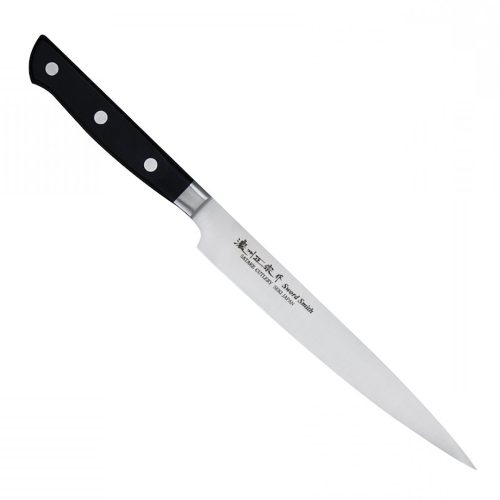

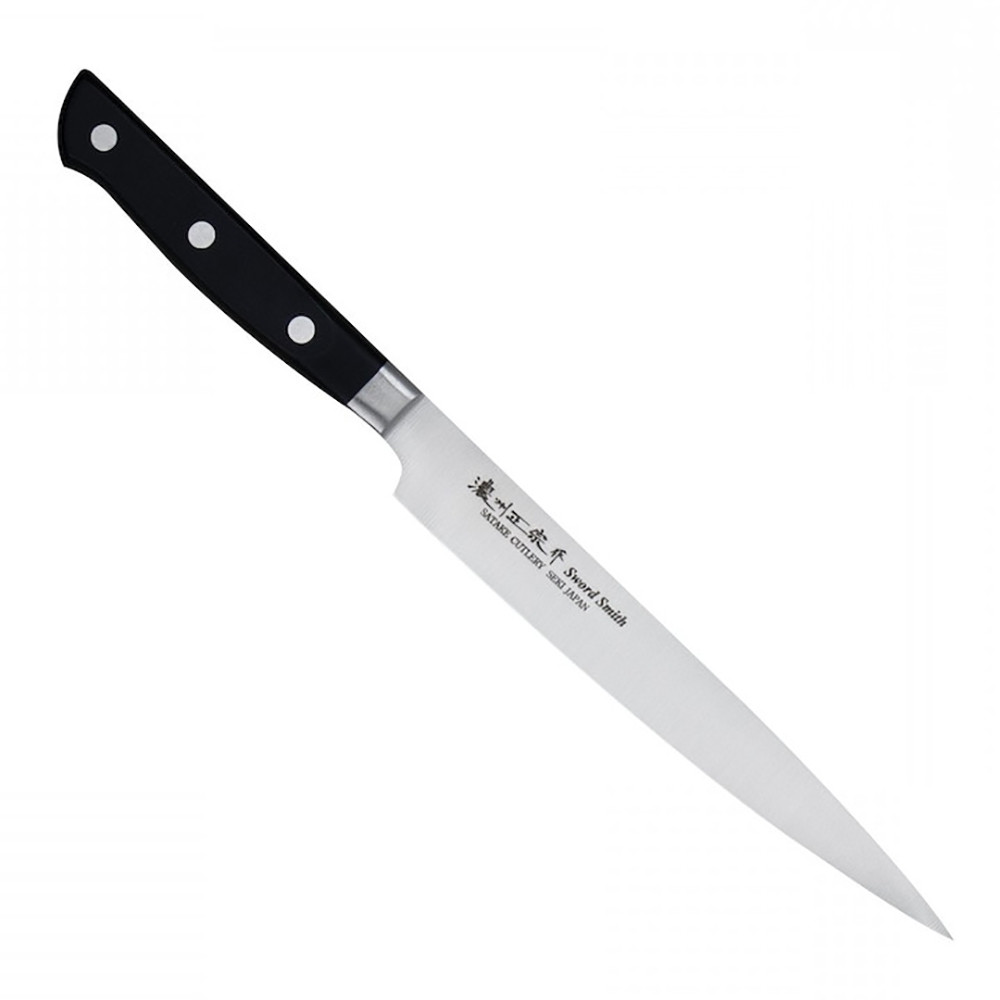
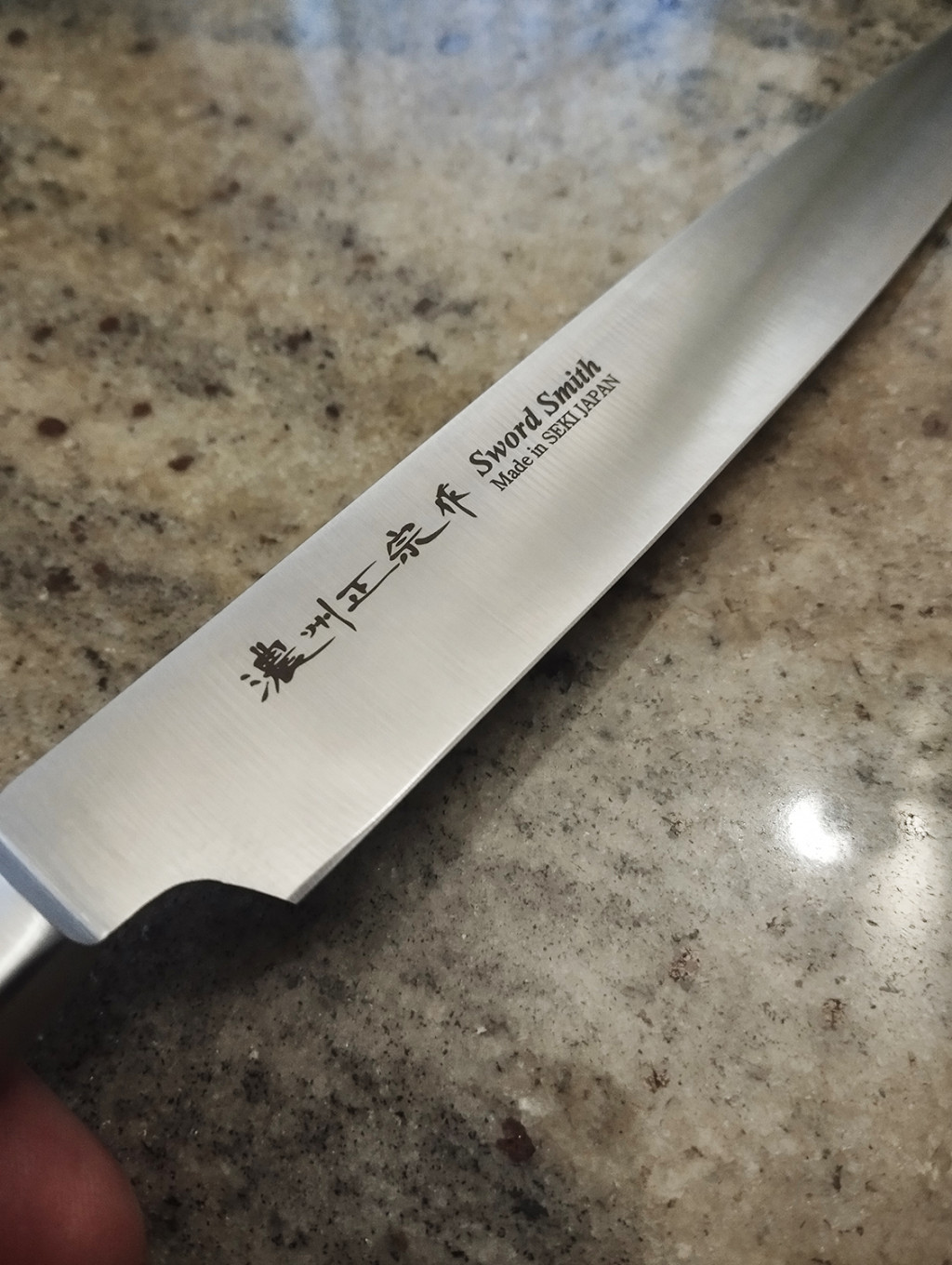
Blade material - AUS-8A stainless steel
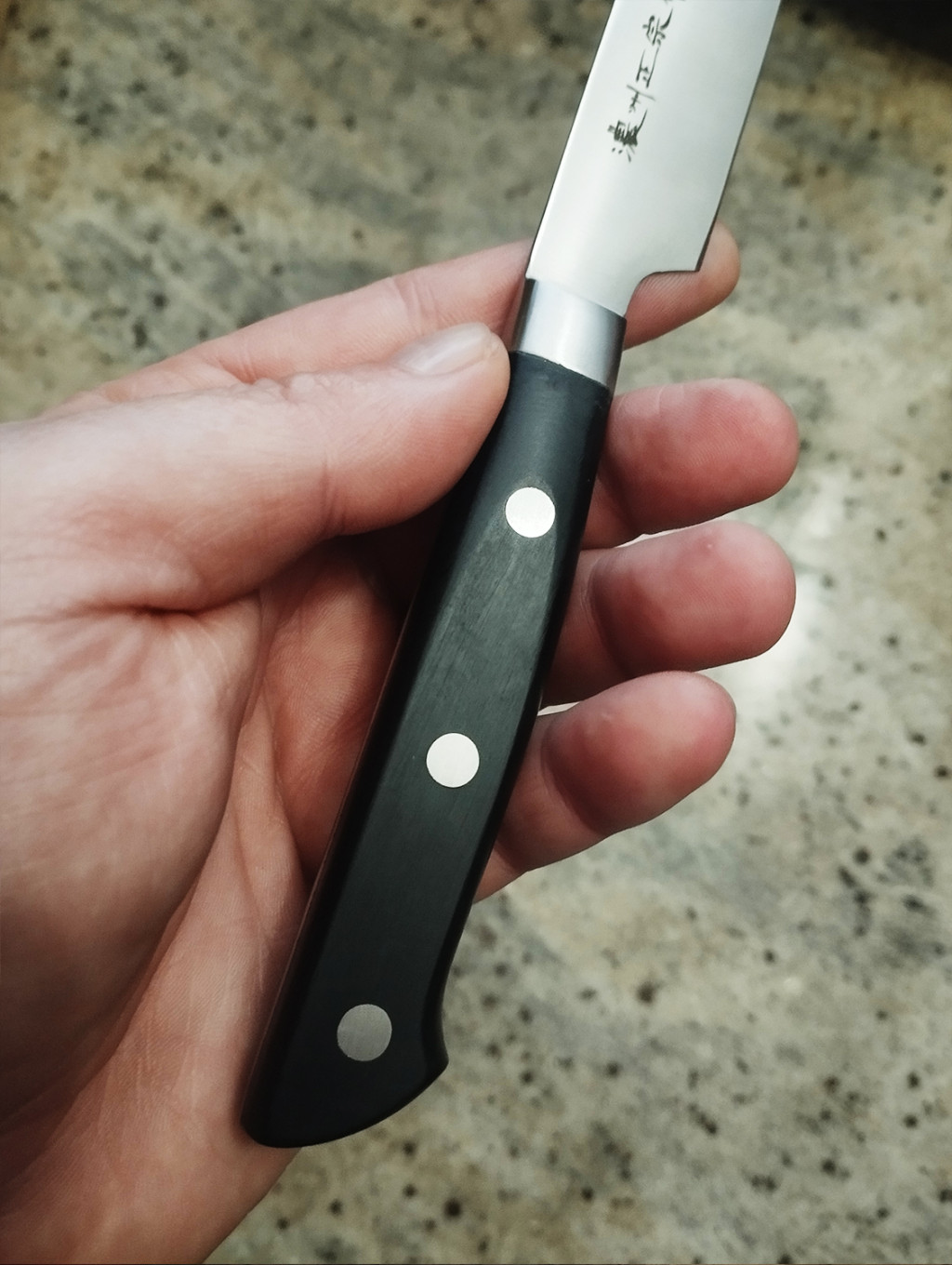
Handle material - Hard plastic laminate
Hardness - 58-59 HRC
Total length - 28.6 cm
Blade length - 18 cm
Blade width - 2.3 cm
Blade thickness - approx. 1 mm
Edge grind - symmetrical
Weight - approx. 78 g
Type: flexi filleting knife
Manufacturer: Satake Cutlery Mfg. Co., Ltd. Made in Japan.
Item number: 802-741
EAN: 4956617802741

50 £
Points earned after purchase:
2 £
We also recommend the following product as an accessory
Details
Satake Satoru classic Japanese filleting knife 18 cm - Japanese quality in the kitchen

ADDITIONAL INFORMATION:
How to use Japanese chef knives correctly? (Click on the text to read the article.)
Modern Japanese knife making: Where tradition meets innovation (Click on the text to read the article.)
In Japanese culinary art, cutting is not just preparation, but the highest expression of respect for the ingredient. The 18 cm flexible filleting knife from the Satake Satoru series combines the heritage of traditional Seki craftsmanship with the demands of the modern kitchen to perform even the most delicate tasks with masterful precision.
Why is the Satake Satoru flexi filleting knife special?
The razor-sharp blade made of Japanese stainless steel has received a special heat treatment that allows the knife to remain flexible without losing its hold or edge retention.
- Blade length: 18 cm – the ideal size, long enough for larger fish but manageable enough for smaller cuts of meat.
- Flexibility: The blade gently adapts to the structure of the ingredient, allowing you to move directly along the bone or skin.
- Ergonomics: The clean, dark handle of the Satoru series provides a stable grip, minimizing hand fatigue even during long preparation sessions.
What can a flexible filleting knife be used for?
A flexi blade opens up completely different dimensions in the kitchen than a traditional, rigid chef's knife. Thanks to its flexible design, the edge of the knife is able to follow the natural curves of the ingredient, drastically reducing waste.
- Master-level fish filleting: This kitchen knife is the uncrowned king of fish preparation. The flexible blade easily slides between the spine and the meat, and during skinning, it almost "sticks" to the inside of the skin, allowing you to remove the clean fillet in a single movement without damage.
- Trimming and silver skinning: Whether it's pork tenderloin or beef sirloin, the flexible tip allows you to remove even the thinnest silver skin without cutting off valuable meat parts.
- Precision slicing: Due to the thin profile and bendability of the blade, it is excellent for cutting paper-thin slices where control is essential.
Satake Quality – The Seki Tradition
At Satake knives, there is no room for compromise. Every millimeter of the Satoru filleting knife serves efficiency. While an average kitchen knife stays on the surface, this Japanese filleting knife goes deep and helps preserve the original texture of the ingredients.
Choose the Satake Satoru 18 cm filleting knife if you are looking for a tool that not only makes work easier but also inspires you in the kitchen. Discover the difference a real Japanese tool with professional edge retention can make during everyday cooking!
Main technical data:
- Type: Flexible (flexi) filleting knife
- Blade material: High-quality AUS-8A Japanese stainless steel
- Blade length: 180 mm
- Handle: Durable, ergonomically designed synthetic polymer
KNIFE STEEL COMPARISON CHART
|
Steel Type |
Type |
Composition (Main elements) |
Advantages | Disadvantages | Typical Use | Manufacturer |
| AUS-8A | Mid-range stainless steel |
Carbon: 0.70 - 0.75% Chromium: 13.00-14.50% Molybdenum: 0.10-0.30% Vanadium: 0.10-0.26% |
Good corrosion resistance: High chromium content. Easy to sharpen: Average hardness. Decent edge retention: Perfect for daily use. Cost-effective: Common choice in mass production. |
General edge retention: Requires normal frequency of sharpening. Lower wear resistance: Compared to harder Japanese steels. |
Kitchen knives. Everyday use pocket knives. Fixed blade knives. |
AICHI - JAPAN |
| FAX-38 |
High Speed Steel (HSS) Special use steel Japanese carbon steel |
Carbon: 1.23-1.33% Tungsten: 5.70-6.70% Molybdenum: 4.70-5.30% Vanadium: 2.70-3.20% Cobalt: 8.00-8.80% |
Excellent wear resistance: Due to high hardness and alloys. Extraordinary edge retention: For demanding cutting tasks. High heat resistance: Maintains hardness even at high temperatures.
|
Harder to sharpen: Due to extreme hardness. Higher price: Due to high alloy content and manufacturing technologies. Not stainless: Japanese carbon steel. Recommended for expert hands! |
Professional chef knives. Specialty knives where edge retention is key. Industrial cutting tools (e.g., drills, milling cutters). |
NACHI FUJIKOSHI - JAPAN |
| MVS10Cob (DAMASCUS) | Cobalt-alloyed stainless steel |
Carbon: 1.00% Chromium: 14.27% Cobalt: 1.34% Molybdenum: 0.96% Vanadium: 0.21% |
Good edge retention: Due to cobalt content. Proper corrosion resistance: Via the alloys. Balanced performance: For professional knives. Good toughness: Often compared to VG10 due to similar composition. |
Currently only available in Damascus version. More expensive than simpler stainless steels. |
High-end kitchen knives. Quality pocket knives. General purpose knives where a durable edge is needed. |
NACHI FUJIKOSHI - JAPAN |
| U420J2 | Low carbon stainless steel |
Carbon: 0.15-0.36% Chromium: 12.00-14.00% Manganese: 1.00% Nickel: 1.00% Silicon: 1.00% Sulphur: 0.03% |
Excellent corrosion resistance: High chromium content. Easy to sharpen: Relatively soft (compared to other Japanese steels). Very flexible: Hard to break. Cost-effective: Basic Japanese stainless steel. |
Frequent sharpening: Compared to harder Japanese steels. |
Basic (home) kitchen knives. Diving knives (high corrosion resistance). Food industry tools. |
NIPPON KOSHUHA - JAPAN |
| Japanese Carbon Steel (Traditional) |
Carbon: 1.25-1.35% Manganese: 0.20-0.30% Phosphorus: 0.02% Silicon: 0.010-0.20% |
Extreme sharpness: Very fine grain structure and high carbon content. Easy to sharpen: Often sharpens better than many stainless steels. Excellent cutting performance: Base material for traditional Japanese knives. Patina formation: Develops a characteristic surface over time. |
Prone to rusting: No chromium content. Maintenance intensive: Requires careful cleaning and storage. Recommended for expert hands! |
High-quality Japanese kitchen knives. Razor knives. Uses where sharpness is paramount and maintenance is not an issue. |
HITACHI - JAPAN |
Data
Blade length
Blade Width
Blade Thickness
Blade material
Hardness
Handle material
Overall length
Grind
Weight
Item number
802-741
Weight
78 g/db
Bundle offers
Reviews
Be the first to write a review!
Similar products